
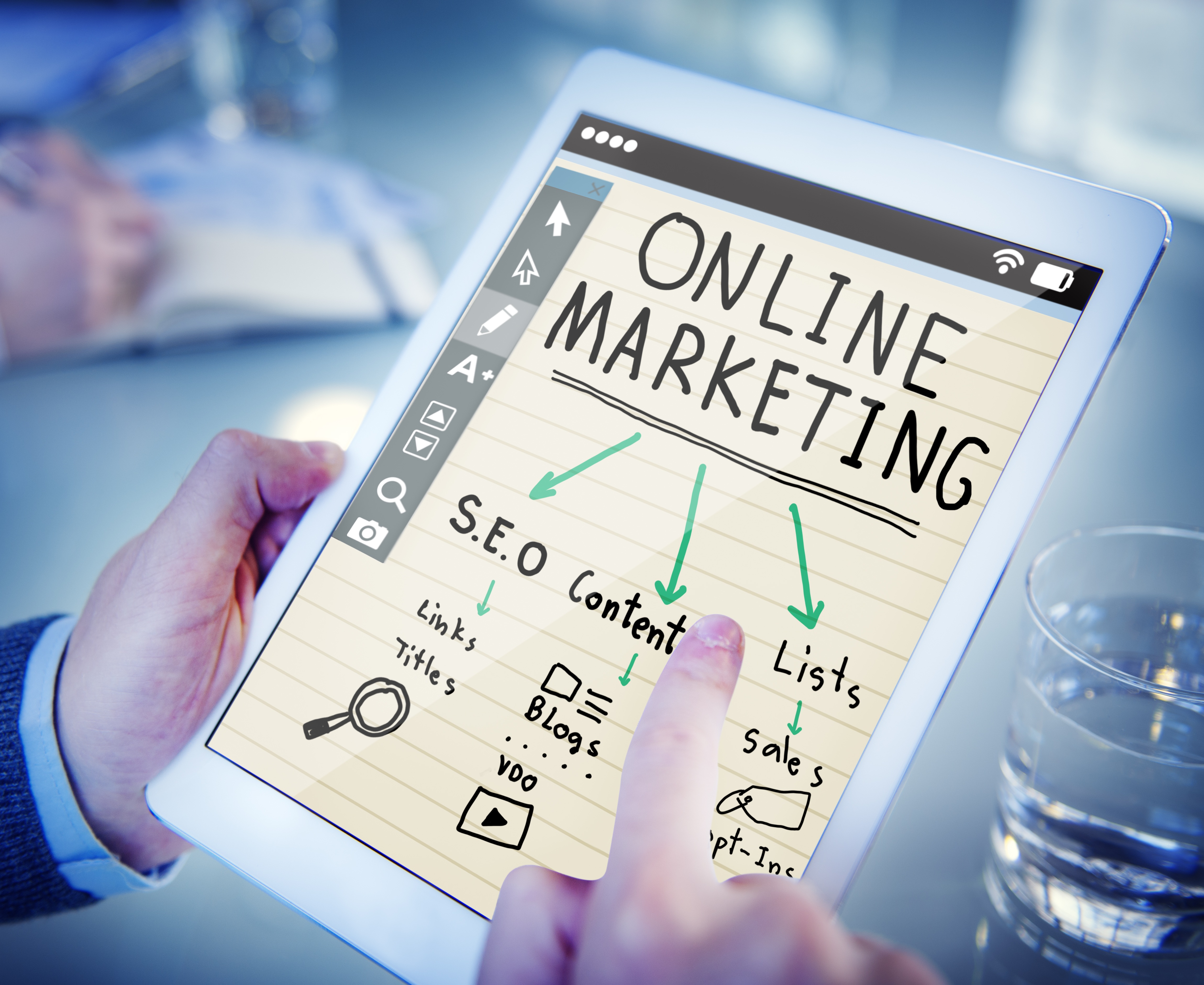
Every day, 3.5 billion searches are made on Google – which translates to 1.2 trillion searches per year! With so many searches being made, it’s critical that your business takes steps to ensure your website is showing up for your customers. There are two popular ways of achieving this – SEO and SEM. These two methods use the power of search engines to increase your website’s visibility and attract more visitors. As they are so similar, SEO and SEM are often confused as the same process so we’ve outlined each and provided information on how they can benefit your business.
What is SEO? – ‘Earning traffic through unpaid or free listings’
Search Engine Optimisation (SEO for short) refers to the tactics businesses use to give their website the best chance of ranking highly in search engine results. Google is often the first place people turn to when they are searching for information – whether it’s to find the answer to a question, confirm a business address or view a product they hope to purchase. Showing up on the first page of Google results can significantly increase the number of people who discover and visit your website – it’s for this reason that SEO is so important for your business.
Search engines rank websites based on a number of factors that influence the legitimacy of the site. These can include:
- Page loading speed
- Content length/quality
- Backlinks (other websites linking back to your website)
- Mobile view (websites that offer mobile compatibility rank higher)
- Social media links
- HTTPS – read our article on the importance of HTTPS for your business
SEO’s goal is to ensure these factors have been met and refined to improve the chances of a higher ranking.
What is SEM? – ‘Buying traffic through paid search listings’
Rather than relying solely on the chance of appearing amongst the top-ranking organic search results (through the use of SEO), a business can have its website advertised above organic listings by opting for paid search or pay-per-click (PPC) advertising. This is known as Search Engine Marketing (SEM for short). SEM has become a powerful marketing tool as the advertisements not only display at the top of search pages, but they can also be targeted to specific customers through keywords and copy
PPC: As the name suggests, the level of traffic directed to a website through its advert dictates how much the business will pay. Unlike traditional advertising, SEM provides immediate feedback about whether the advert is working or not so the business can continuously adjust the ad until they find results.
SEM is valuable as it can connect your business with customers who are searching for similar companies to yours but might not know you exist yet.
Which one is better?
As both SEO and SEM will provide different results for your website, it’s difficult to suggest that one will be better than the other. You should instead focus on discovering when your business may need to use SEO or SEM.
- SEO – your website should have some form of search engine optimisation to ensure it ranks well in search results. The sooner you implement SEO, the better.
- SEM – search engine marketing is effective when you want to increase your amount of visitors and gain more exposure. It’s also powerful to advertise a new product launch or a sale you are currently running.